
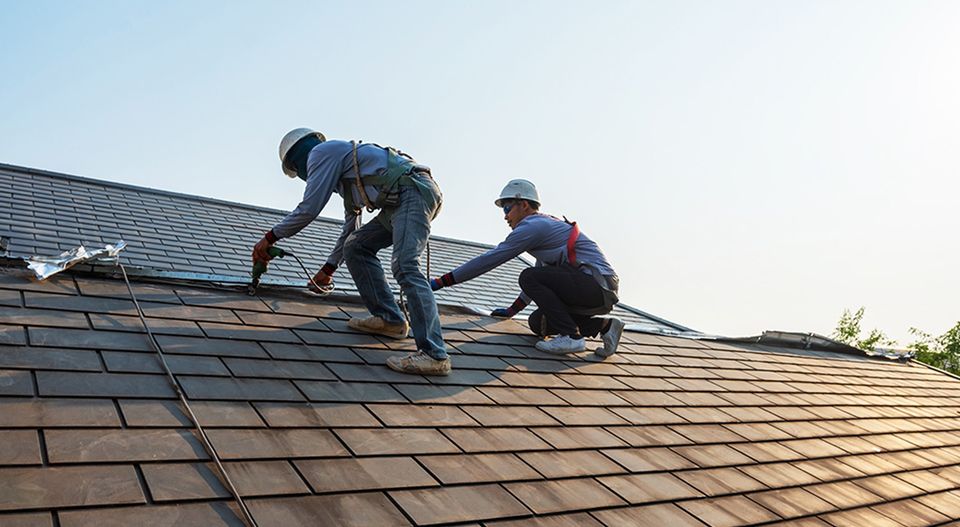
Choosing a roofer in St. Louis comes down to five things: a verifiable local presence, proper licensing and insurance, experience with storm-damage insurance claims, manufacturer certifications, and a written, itemized estimate. Get those five right and you avoid the storm-chasers and high-pressure sales crews that follow every hailstorm through the metro. This guide walks through exactly what to look for in a contractor, how to recognize the roof damage that's common in this region, what repairs typically cost, and how to decide between a repair and a full replacement.
Key Takeaways
- The five traits of a reputable St. Louis roofer: local presence, licensing + insurance, claim experience, manufacturer certifications, and a written estimate.
- Avoid any contractor demanding a same-day signature — urgency is a sales tactic, not a sign of quality.
- St. Louis roofs face hail, wind, and freeze-thaw damage as the top three threats.
- Roofs under 15 years old are usually candidates for repair; roofs 20+ years old are usually candidates for replacement.
- Homeowner's insurance often covers damage from a single qualifying storm event.
What Should I Look For in a St. Louis Roofer?
- Local presence and reputation. A physical address in the metro area, verifiable reviews, and references from neighbors. Out-of-town crews that appear right after a storm and disappear just as fast are the single biggest red flag.
- Proper licensing and insurance. Liability insurance and workers' compensation should be available on request. If a contractor cannot produce both, walk away — you do not want to be liable for an injury on your property.
- Insurance claim experience. Storm damage often involves a homeowner's insurance claim, and an experienced local contractor documents the damage properly and works directly with the adjuster. If you think a recent storm caused your damage, a roofer who handles insurance claims day in and day out will make the process far smoother.
- Manufacturer certifications. Certifications from GAF, Owens Corning, or CertainTeed mean the contractor is trained and approved to install those products and can offer stronger, longer warranties.
- A written, itemized estimate. Materials, labor, timeline, and warranty terms should all be in writing before any work begins.
- No high-pressure sales tactics. A reputable roofer gives homeowners time to think. Anyone demanding a same-day signature is selling urgency, not quality.
What Causes Most Roof Damage in St. Louis?
Knowing what you're up against helps you ask a roofer the right questions. Missouri weather is hard on roofs, and the five most common causes of damage in the metro are:
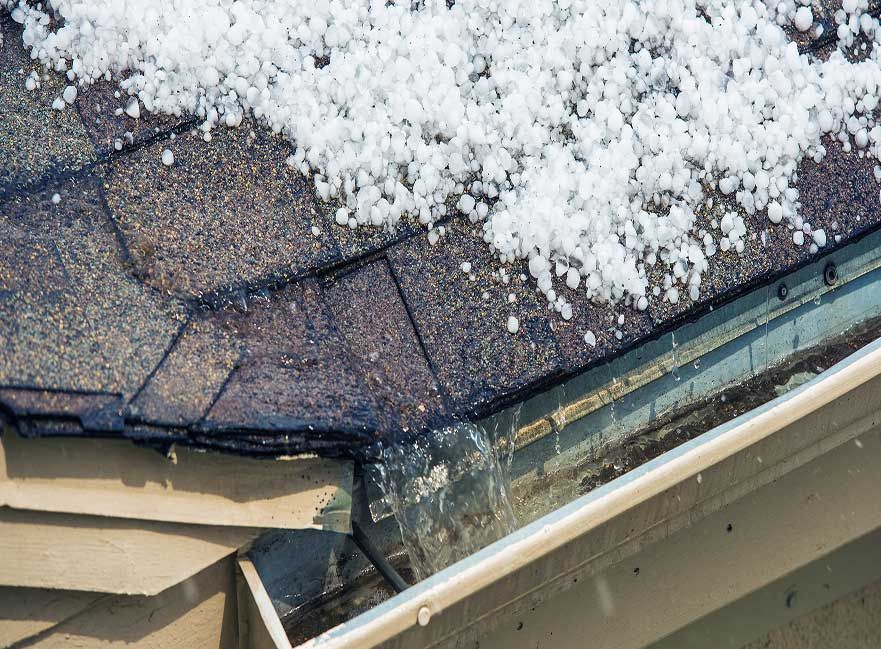
- Hail damage. Even small hail can bruise asphalt shingles, dislodge granules, and shorten the life of a roof by years. Because it's often invisible from the ground, hail damage is one of the most under-reported problems on St. Louis roofs — and one of the most commonly covered by insurance.
- Wind-lifted or missing shingles. A single severe thunderstorm can peel back shingles along ridges and edges, exposing the underlayment to water. When that happens, storm damage repair should be your first call before the next rain.
- Ice dams and freeze-thaw damage. When snow melts unevenly, water backs up under shingles and refreezes. Ice dams are a leading cause of winter leaks in older homes.
- Flashing failures. The metal flashing around chimneys, vents, and skylights tends to fail before the shingles do. Failed flashing causes most "mystery leaks."
- Aging materials. Most asphalt roofs in the St. Louis area last 20 to 25 years. After that point, repairs become a losing battle.
How Do I Know If My Roof Is Damaged?
Before you even start calling contractors, walk through this checklist after any major storm, or at least once a year:
- Water stains on ceilings or upper-floor walls
- Granules collecting in gutters or downspouts
- Shingles that look cracked, curled, or missing entirely
- Daylight visible through attic roof boards
- Sagging spots along the roofline
- A sudden spike in heating or cooling bills
- Damaged, dented, or detached gutters and downspouts (often a sign of hail) If any of these signs appear, schedule an inspection within a week. Small problems become expensive fast once water enters the structure.
Should I Repair or Replace My Roof?
- Roof under 15 years old with localized damage: A targeted roof repair is usually the right call.
- Roof 20+ years old with widespread issues: A full roof replacement is almost always the smarter long-term investment.
- Hail or wind damage covering 25% or more of the roof: Insurance often covers a full replacement rather than patchwork repairs.
- Multiple repairs in the same area: The underlying problem isn't getting fixed. It's time for a new roof. The right roofer should be willing to tell you when a repair will get another five or ten years out of an existing roof — not just quote you the most expensive option.
Does One Contractor Handle the Whole Exterior?
A roof works together with gutters, siding, soffit, and fascia to keep water out of a home, and the best St. Louis roofing companies handle the full exterior envelope:
- Full roof replacement and tear-offs
- Targeted repairs for leaks, hail, and storm damage
- Gutter installation, repair, and gutter guards
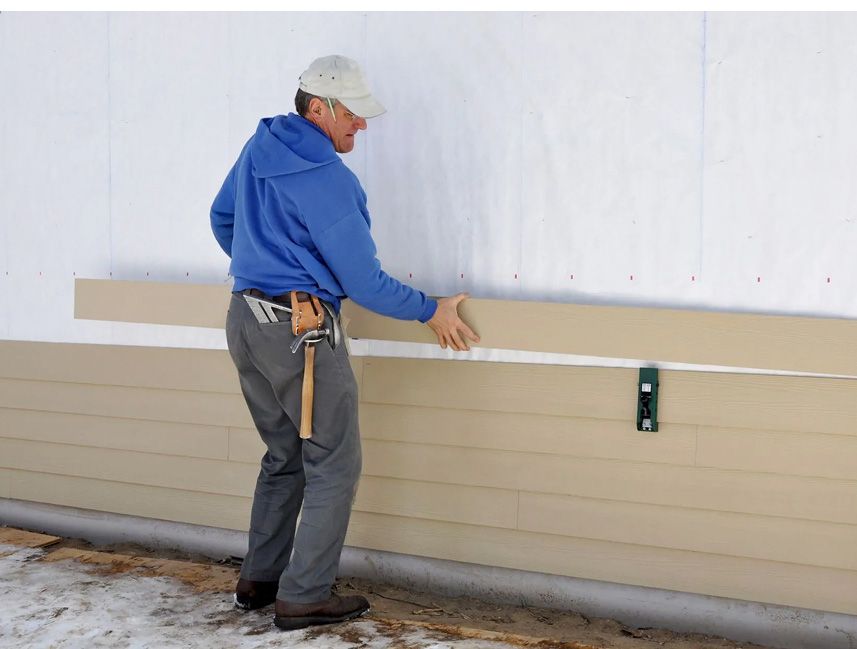
- Siding repair and replacement
- Soffit and fascia work
- Skylight and chimney flashing repair
- Insurance claim assistance and documentation Working with a single contractor for the entire exterior often saves money, prevents finger-pointing between trades, and ensures the drainage and weatherproofing tie together properly.
Frequently Asked Questions
How much does roof repair cost in St. Louis? Minor roof repairs in the St. Louis area typically range from $300 to $1,500. Major repairs can run $1,500 to $7,000 depending on the extent of damage, roof pitch, and materials. A free inspection from a local contractor produces a more accurate estimate.
Does homeowner's insurance cover roof repair in St. Louis? Most homeowner's insurance policies in Missouri cover sudden storm damage from hail and wind, but exclude damage caused by age or lack of maintenance. File a claim within the timeframe specified in your policy, which is usually one year from the date of the storm.
How long does a roof repair take? Most minor repairs are completed in a single day. Larger repairs and full replacements typically take one to three days, weather permitting.
Can I repair my own roof? DIY roof repair is not recommended for most St. Louis homeowners. Improper repairs can void manufacturer warranties, fail to address underlying problems, and create safety risks. Many insurance policies also require professional repair documentation for future claims.
How often should a roof be inspected in St. Louis? A St. Louis roof should be inspected at least once per year, plus an additional inspection after any major hail or wind storm. Annual inspections catch small issues before they require major repairs.
Don't Wait Until the Next Storm
The best time to choose a roofer is before there's water in the living room. Whether you've just been through a hailstorm, noticed a few suspect shingles, or simply want a professional set of eyes on a roof that has been quietly aging for two decades, a free inspection is the easiest first step.
At JS Exteriors, we've helped homeowners across the St. Louis area protect what is likely the biggest investment they'll ever make. If you're not sure whether you need a quick repair or a full replacement, give us a call. We'll take a look, give you straight answers, and help you make the call that's right for your home and your budget.