
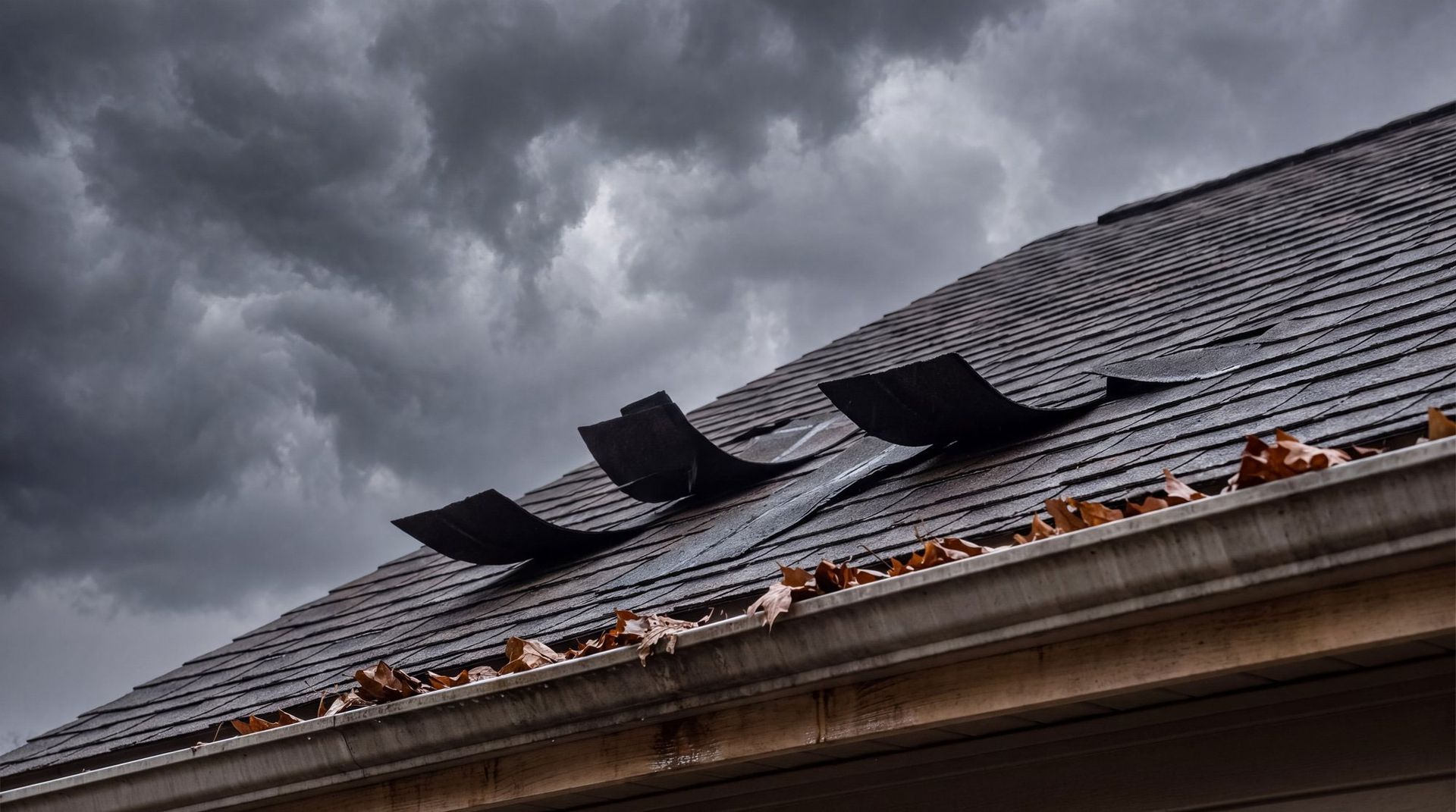
If your roof is under 15 years old and the damage is confined to one area, repair it. If it is past 20 years old, or hail and wind have damaged 25% or more of the surface, replace it. That covers most St. Louis homes. The gray area in between is where homeowners overspend, either by patching a roof that is on its last legs or tearing off a roof with another decade in it. This guide lays out the numbers and the rules of thumb so you can make the call with confidence.
Key Takeaways
- Minor repairs in St. Louis run $300 to $1,500. Full replacement typically lands between $12,000 and $25,000 depending on roof size, pitch, and shingle grade.
- Roof age is the single biggest factor. Under 15 years favors repair, over 20 favors replacement.
- When storm damage covers 25% or more of the roof, insurance will usually pay for a full replacement rather than patchwork.
- Repeated repairs in the same spot mean the real problem is not being fixed.
- A second layer of shingles over the old roof is cheaper up front but usually a mistake in this climate.
Repair vs. Replacement at a Glance
| Roof Repair | Roof Replacement | |
|---|---|---|
| Typical St. Louis cost | $300 to $1,500 minor, $1,500 to $7,000 major | $12,000 to $25,000 for most homes |
| Best for | Localized damage, failed flashing, a few missing shingles | Widespread damage, aging materials, repeat leaks |
| Roof age | Under 15 years | 20 years or older |
| Timeline | Usually one day | One to three days |
| Warranty | Covers the repaired area only | Full manufacturer and workmanship warranty |
| Insurance | Covered if caused by a single storm event | Covered when damage is widespread or the roof cannot be matched |
When Repair Is the Right Call
A targeted roof repair makes sense when the problem is small, specific, and the rest of the roof is healthy. That includes a handful of shingles lifted by wind, flashing that has pulled away from a chimney or vent, a cracked pipe boot, or a single leaking valley. If the decking underneath is solid and the shingles around the damage still have their granules, a repair will buy you years.
Age matters here. A ten-year-old architectural shingle roof with wind damage on one slope is a repair, not a replacement, no matter what a door-knocking crew tells you after a storm.
When Replacement Is the Smarter Investment
Replacement wins when repairs would only postpone the inevitable. Widespread curling, cracking, or granule loss across multiple slopes means the shingles themselves are failing, and patching one section leaves the rest to fail next season. Sagging along the ridge or between rafters points to decking problems that a surface repair cannot address.
The clearest signal is history. If you have paid for repairs in the same area two or three times, the roof is telling you something. At that point, the money you are spending on patches is better put toward a roof replacement with a real warranty behind it.
The 25% Rule and Insurance
St. Louis sits in one of the most active hail corridors in the country, and this is where the decision often gets made for you. When hail damage or wind damage covers roughly a quarter or more of the roof, most carriers will approve a full replacement instead of repairs, because the cost of matching and patching that much surface approaches the cost of a new roof anyway.
Two things to know before you file. Most Missouri policies expect a claim within 12 months of the storm, and many carriers now apply a separate wind and hail deductible calculated as a percentage of your home's insured value rather than a flat dollar amount. A contractor who handles insurance claims regularly will document the damage the way an adjuster expects to see it and meet the adjuster on site. Our step-by-step guide to filing a hail damage roof insurance claim in St. Louis walks through the whole process, from the first inspection to the final check.
Roof-Over vs. Tear-Off
Some contractors offer to install new shingles directly over the old ones to save on labor and disposal. It is cheaper up front, but in the St. Louis climate it rarely pays off. A second layer traps heat and moisture, hides decking damage nobody inspected, adds weight the structure was not designed for, and typically shortens the new roof's life. It can also void the manufacturer's warranty. Most insurance carriers will not pay for a roof-over on a claim, either. If you are replacing, tear off.
Frequently Asked Questions
Is it cheaper to repair or replace a roof in St. Louis? A repair is always cheaper in the short term. Replacement becomes cheaper over time once a roof passes 20 years or needs repairs more than once every couple of years.
Can I replace just one side of my roof? Yes, and it is sometimes the right move when storm damage hits only the windward slope of a newer roof. The catch is matching. Shingles fade, so the new slope will look different from the old one, and if the original product is discontinued, insurance may cover the full roof instead.
How long does a St. Louis roof last? Standard three-tab asphalt shingles last 15 to 20 years here. Architectural shingles last 25 to 30 with good ventilation. Hail and freeze-thaw cycles shorten both.
Does a new roof increase home value? A new roof is one of the few exterior projects that buyers and appraisers reliably credit, and it removes the most common inspection objection at closing. If you are selling within five years and the roof is near the end of its life, replacement usually pays for itself in the sale.
Not Sure Which One You Need?
Most homeowners cannot tell from the ground whether they are looking at a $900 repair or an $18,000 replacement, and that uncertainty is exactly what high-pressure sales crews count on. Before you sign anything, read our guide on how to choose a roofer in St. Louis so you know what a legitimate estimate looks like.
At JS Exteriors, we will inspect the roof, show you photos of what we find, and tell you straight whether it needs a repair or a replacement. Schedule a free inspection and get an answer you can plan around.